

Even if we are fairly diligent about caring for our teeth, we often take our gum health for granted, said Dr. Joseph P. Fiorellini, a professor of periodontics at Penn Dental Medicine. That can include brushing too hard.
There are consequences for our neglect. Forty-two percent of U.S. adults over the age of 30 show signs of gum disease. This infection of the tissues that surround your teeth can lead to bone or tooth loss, and it has been linked to health conditions including heart disease, respiratory infections and dementia.
Keeping your gums healthy is crucial, experts say. Here is how to do it.
Pay attention to your gumline.
An early stage of gum disease is known as gingivitis. It is caused by a buildup of plaque at the gumline. If you have this, you’ll probably notice that your gums are irritated, puffy or more likely to bleed.
Pay attention to the gumline when you’re brushing, said Dr. Edmond R. Hewlett, professor emeritus at the UCLA School of Dentistry. The American Dental Association recommends that you brush twice a day for two minutes and floss once a day. Place the toothbrush against the gumline at a 45-degree angle to remove plaque both above and below the gum level.
“You have to hit that junction between the gum and the tooth,” Fiorellini said. Then move the toothbrush gently back and forth in short strokes. Both electric and manual toothbrushes are effective. But if you’re using a manual one, opt for soft bristles, because harder ones can abrade your gums, said Dr. Esteban Garza, a dentist in Houston.
Don’t ignore bleeding gums.
 It is “absolutely not normal” for your gums to bleed, Hewlett said.
People whose gums bleed tend to avoid flossing and brushing near their gums, but that’s a mistake. “I tell them, ‘You need to brush them more and get the bristles right on the gumline,’” Hewlett said. If the bleeding doesn’t improve, he said, visit your dentist. Your dentist or hygienist can show you brushing and flossing techniques that will help, Hewlett added.
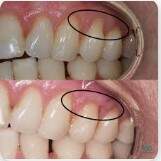 Watch out for receding gums.
Periodontal disease can cause the gum tissue, which normally fits snugly around your teeth, to pull away, exposing the root underneath. The roots of your teeth are more vulnerable to cavities because they are not covered by hard enamel as the crowns are, Hewlett said.
If your gums are receding, your teeth may look longer, and the roots may be a different color from the rest of the tooth. You may also feel sensitivity to heat, cold or brushing. Keep that area clean with flossing or small interdental brushes, the experts said.
You can also use desensitizing toothpaste or ask your dentist for fluoride prescription products, such as rinses or toothpaste, said Dr. Patrick M. Lloyd, dean of the Stony Brook University School of Dental Medicine. They make your roots more resistant to decay, he said.
If your gum recession is severe, which can lead to infection or tooth loss, talk to your dentist about a gum graft, Fiorellini suggested.
Adopt gum-friendly habits.
Lifestyle changes can help your gums, the experts said. Smokers, for instance, have a higher risk of periodontal disease than nonsmokers, so if you smoke, consider quitting.
You can also make tweaks to your diet. A 2023 review of 10 studies found an association between sugary drinks and gum disease. The experts suggested limiting sugar-sweetened beverages or swapping them for water.
People with diabetes have a higher risk of developing gum disease, so they should tell their dentist about the condition, Fiorellini said. And the American Diabetes Foundation recommends that people with diabetes visit their dentist at least every six months and monitor for signs of gum disease.
Leave a Reply