

The archaeological site of Cobá ranks among the most impressive in the northern Yucatán Peninsula, which is truly saying something. Evidence suggests the city was first settled in the late third century BCE, though it would take another few hundred years for monumental construction at Cobá to begin in earnest.
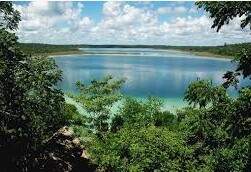
Beyond its striking architecture, several features make Cobá unique in the region, not least the two lagoons that have sustained civilization on their shores for millennia. In addition to providing fresh water to the city, these lagoons support countless animal species, including deer, boar, spider and howler monkeys, as well as coatis and even wild felines such as ocelots and jaguars.
Ancient Kings and Queens
The site’s most famous stelae (No. 1) depicts the warrior-queen of Cobá, K’awiil Ajaw, wearing an elaborate headdress and holding a ceremonial bar across her chest, a symbol of royal power. The carvings around her include important glyphs that tell of her accomplishments during her rule in the 6th century, when the city of Cobá was at the height of its power.
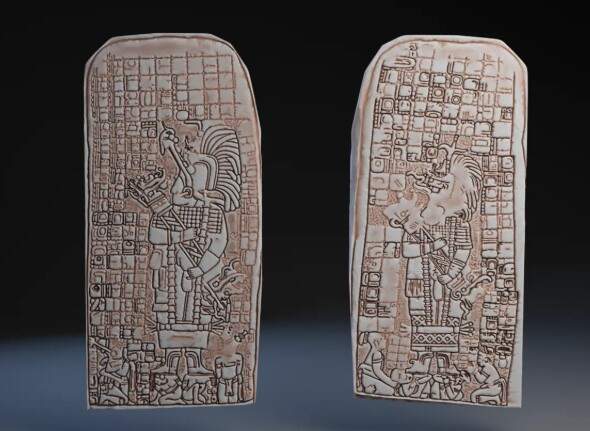
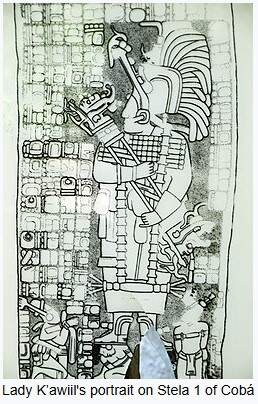
Along with Stelae 6 and 8, we know that K’awiil Ajaw reigned for over 20 years and was victorious in several wars, but also brought great prosperity to her city through the construction of an extensive network of Sacbé’s, including one that cut through the jungle in a straight line due south directly to the conquered city of Yaxuná, which sat near the famous Chichén Itzá.
Today, Cobá has become a popular day-trip destination for visitors from Tulum, Playa del Carmen, and Cancún. Because the site is large and spread out, locals offer bicycle rentals and tricycle taxi services, which are especially helpful for those short on time or with limited mobility.


Leave a Reply