
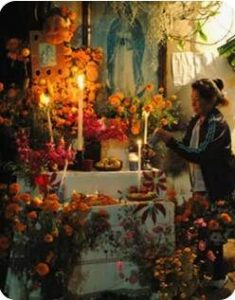
 El Día de los Muertos — But what happens to the dead in Mexico when there’s no one left to remember them on this special Day?
In some Mexican communities, they’re remembered through a tradition honoring the ánimas solas.
The ánimas solas are souls who have nobody left to remember them, no family to prepare their favorite foods, and no altar waiting for their return. Rather than leave them forgotten, people make room for them alongside their own ancestors.
The custom reflects a long history of honoring the dead. Mexico’s National Institute of Anthropology and History explains that altares de ánimas developed through the blending of Indigenous beliefs about the dead with Catholic practices introduced during the colonial period. Religious brotherhoods organized prayers for departed souls, while community mayordomías helped maintain collective religious traditions.
In the southeastern state of Campeche, the custom takes several forms. Some families in Hopelchén prepare a separate table with food, bread, water and candles. In Escárcega, one woman even places a chair beside her altar so the visiting souls can rest. In Candelaria, residents light candles in the street on October 28 to guide wandering or abandoned souls.
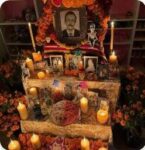 In Puebla, October 30 is observed in some Día de Muertos traditions as a day to remember the ánima sola.
And in Hidalgo’s Huasteca region, families place small offerings with candles on walls or ledges outside their homes for souls who have no relatives left to welcome them.
The idea connecting these practices is that remembrance is a communal responsibility. Even when someone’s last living relative is gone, there can still be a candle burning for them.


Leave a Reply