
Achiote, a reddish seed extracted from the annatto tree, is one of the most representative ingredients in traditional Mexican cuisine and that of other Latin American countries.
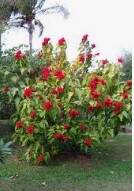
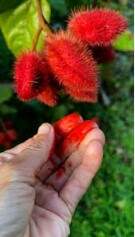
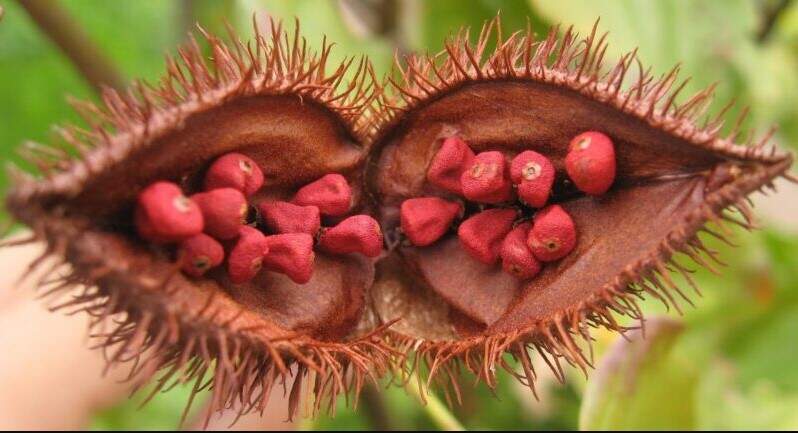
Its presence in local gastronomy not only contributes flavor and color but also connects with a rich history that dates back to pre-Hispanic cultures, who used it in ritual ceremonies, as a natural dye, and, of course, in cooking. One of its most prominent uses is as a base for preparing adobos and marinades.
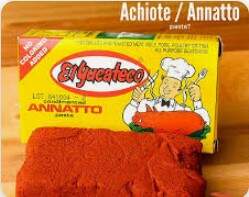 Iconic dishes like cochinita pibil from Yucatán wouldn’t be the same without achiote paste, which is mixed with spices, garlic, vinegar, and sour orange juice to give it that characteristic color and intense flavor. Its ability to enhance other ingredients makes it an indispensable ally in traditional recipes.
Beyond its culinary function, achiote also has medicinal and cultural properties. In local cuisine, it is considered a symbol of identity, as its deep, earthy flavor reflects the indigenous roots of the regions where it is cultivated and consumed. Its vibrant color and distinctive flavor are a testament to the cultural and gastronomic richness that defines our land, reminding us 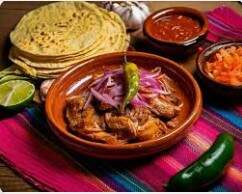 of the importance of preserving the ingredients that are part of yucatecan history.
- Slow-Cooker Cochinita Pibil: Combine 3 lbs pork shoulder with a blended marinade of ½ package achiote paste, ¾ c. lime juice, and spices — Mexican oregano, cloves, cinnamon, cumin. Line a slow cooker with banana leaves, add the pork, and cook on low for 6 hrs.
Leave a Reply