
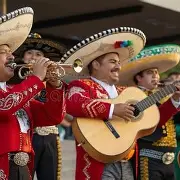
 Mariachi music, a vibrant and essential part of Mexican culture, has its roots in the 19th century, evolving from a blend of indigenous, Spanish and African musical traditions.
Mariachi music originated in the western regions of Mexico, particularly in the state of Jalisco, during the 19th century. The term “mariachi” may derive from the now extinct Coca language or the French word “mariage” reflecting its early association with weddings. The music itself is a fusion of various influences, including indigenous sounds, Spanish instruments and the African rhythms, which came together during the colonial period when European colonizers introduced violins, guitars, and brass instruments to the indigenous peoples.
Mariachis originally performed at rural festivities and celebrations, but gained national prominence in the early 20th century, particularly after the Mexican Revolution (1910-1920). The Mexican government promoted Mariachi as a symbol of national pride, leading to its inclusion in political events and media. By the mid-20th century, Mariachi music had spread beyond Mexico, becoming popular in the United States and worldwide.
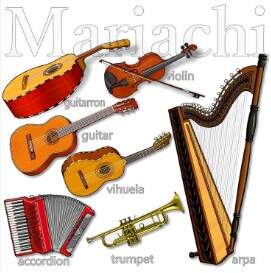
A typical mariachi ensemble includes instruments such as the vihuela, guitarron, violins and trumpets. The music is characterized by lively rhythms and emotional lyrics, often focusing on themes of love, betrayal, and the Mexican identity. Over time, the instrumentations evolved, with the additions of trumpets in the early 20th century becoming a staple of the genre.
In 2011, UNESCO recognized Mariachi as an Intangible Cultural Heritage, highlighting its importance in Mexican culture. Today, mariachi music continues to thrive, with both traditional and contemporary styles being performed globally. The genre has also seen the emergence of all-female Mariachi groups, reflecting its evolving nature and inclusivity.
Mariachi music is not just a musical genre; it is a cultural expression that embodies the history and identity of Mexico. Its rich heritage, characterized by a blend fo diverse musical influences, continues to resonate with audiences around the world, make it a beloved symbol of Mexican culture.
Leave a Reply