
There are many varieties of this iconic street food from Mexico that have terrible-sounding names. Yet they’re still delicious. Would that which we call a taco envenenado, or “poisoned” taco, by any other name taste as good? Naturally, it’s the ingredients and preparations that matter, not the moniker attached.
The taco envenenado (poisoned tacos)
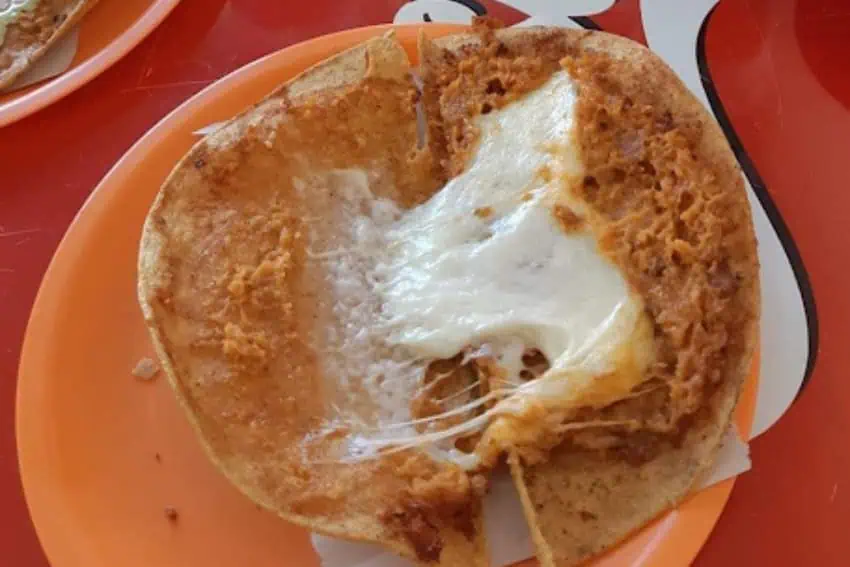
Don Lauro’s tacos were special. It wasn’t just that the corn tortillas were larger than normal, or that beans, chile, chorizo and potatoes were particularly original fillings. Rather, it’s the frying of such ingredients in rendered pork fat (aka lard) that gives tacos envenenados their distinctive taste and golden color, and has caused the original recipe to be passed down for generations.
The taco sudado (sweaty tacos)
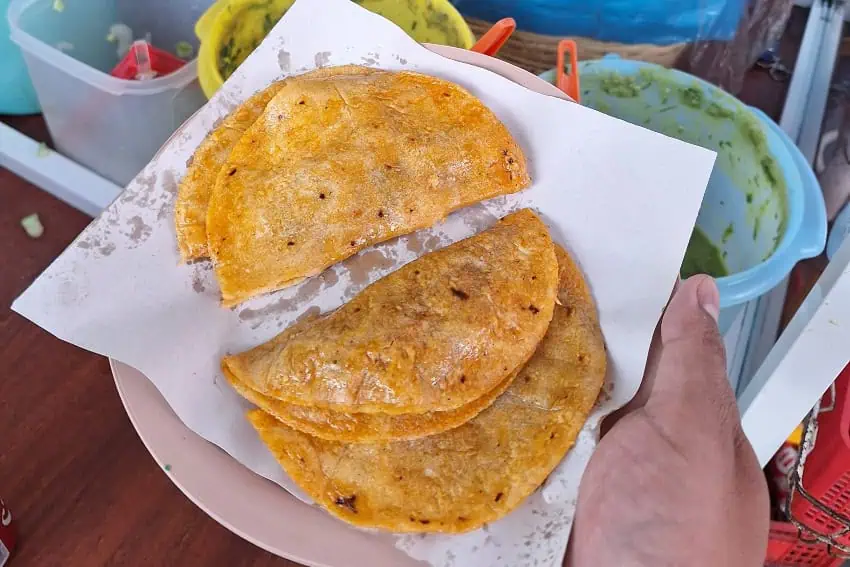
Sudado means sweaty in Spanish. It’s a gross appellation to apply to a taco. Even a historically significant one. It’s worth noting that the sweating refers to an aspect of preparation, not perspiration.
Mexico’s famed comfort food specialty emerged from the nation’s silver mines during the 18th century. The name taco came from the small charges used to break up ore. The original versions were appropriately called tacos mineros, which featured corn tortillas filled with simple ingredients like refried beans and potatoes and were kept warm in baskets.
Tacos sudados directly evolved from tacos mineros. So, later in the 20th century, did tacos de canasta. But these similar taco styles are not exactly synonymous. As Larousse Cocina clarifies, the corn tortillas for tacos sudados are dipped briefly in hot oil before being filled with ingredients and packed in baskets. This is what gives them the characteristic moisture from which their name derives.
The taco de basura (garbage tacos)
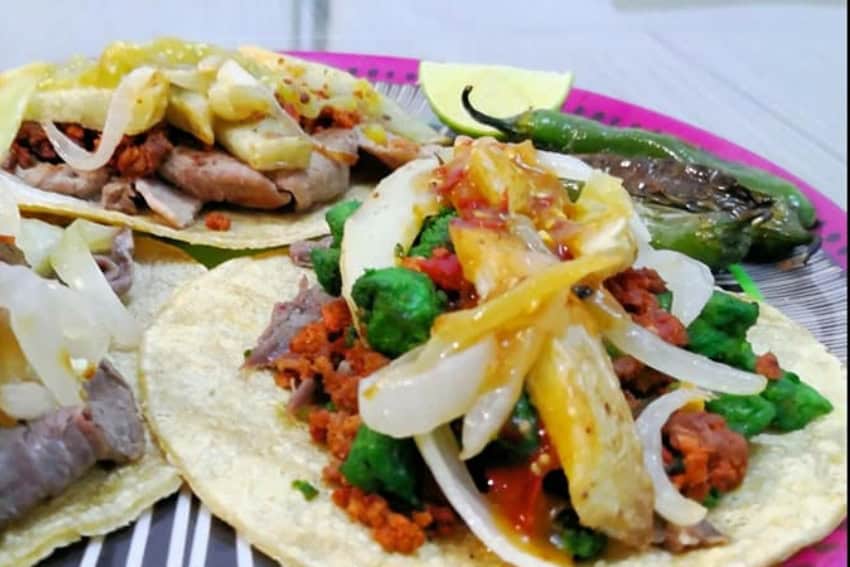
The basura or “garbage” taco emerged in Querétaro about 20 years ago. This more recent favorite takes its name from the sheer number of ingredients included, which makes it seem as if the cook was trying to toss in all the items he was convinced might go to waste.
Indeed, as the story goes, the taco’s moniker was given by a customer at Los Tacos del Güero, who took a gander at the veritable mountain of ingredients and decided it resembled nothing so much as a garbage pile.
But don’t let the name fool you. Since these ingredients often include a veritable cornucopia of meats — bacon, beef, chorizo, ham, turkey and more — plus potatoes, nopales, and boiled egg, the resulting corn tortilla-wrapped tacos are invariably both tasty and filling.
The taco de transmisión (transmission fluid tacos)
There are some common themes in Mexico’s terrible-sounding tacos. One is a connection to mining culture, an element shared by tacos envenenados, tacos sudados, and tacos de transmisión. The latter was born in Parral, Chihuahua, a town notable for being the site of Pancho Villa’s assassination, but which also boasts a rich silver mining heritage.
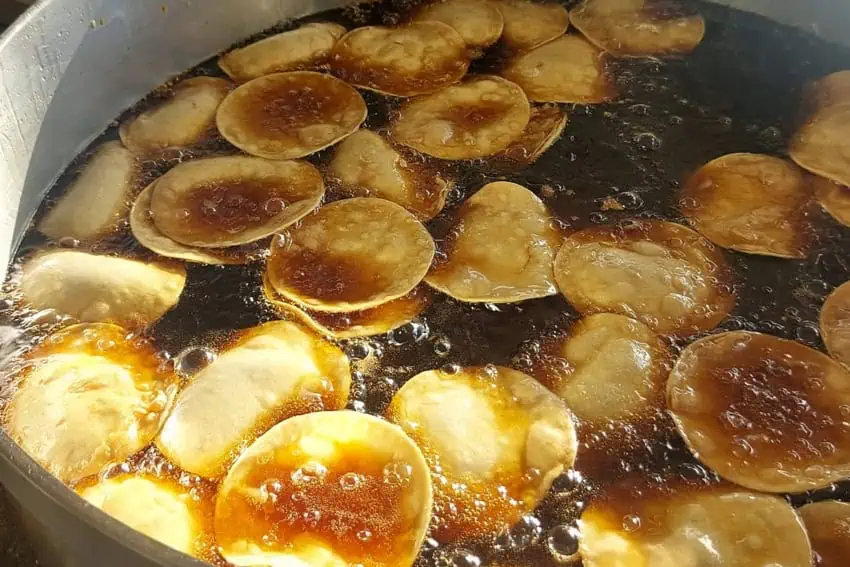
Another common characteristic is frying, either in hot oil or lard. The taco transmisión, for example, gets its name from the dark, bubbling lard in which both its corn tortilla and beef or pork filling are cooked. In color and consistency, this often recycled oil is a dead ringer for the transmission oil that helps your car seamlessly shift gears.
These savory-tasting tacos are typically served with onion, cilantro, lime and salsa, with locals favoring Parral masters of the subspecialty such as Tacos La 20, Tacos Michel’s, or Tacos del Tec.
The taco de nada (nothing tacos)
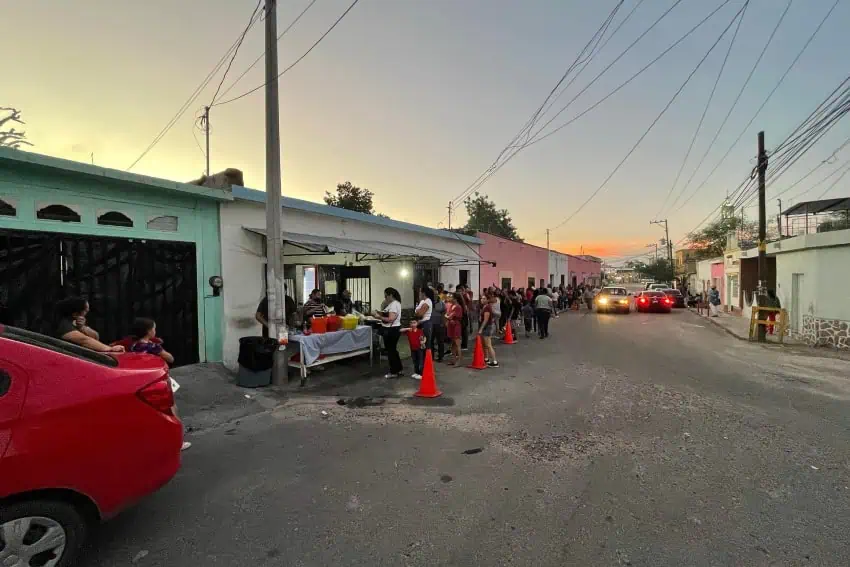
Alternatively known as tacos de nada or tacos de aire, neither descriptor (“nothing” or “air,” respectively) seems to promise much for hungry diners. So why do residents of Hermosillo, Sonora, line up around the block to buy these tacos invented by María Guadalupe del Toro Rodríguez, better known as Doña Lupita, nearly 40 years ago?
The corn tortilla and light potato filling, briefly fried in hot oil until golden brown, certainly offer a distinctive flavor. Particularly when topped with lettuce, cabbage and grated cheese. But what makes these tacos so unique and highly sought after is the salsas, available in both red and green varieties, with secret recipes undoubtedly influenced by Doña Lupita’s childhood in Zamora, Michoacán. All she and her now extended family, who help her serve up to 1,000 tacos a day, will divulge is that the ingredients are all fresh.
So these tacos aren’t exactly nothing. Although their price of 8 pesos apiece is about as close to it as you’re likely to find.
Leave a Reply