
A joint is anywhere two bones meet, and we have about 350 of them. They’re essential for movement, flexibility and stability. Here are a few tips from experts on how to keep them supple.
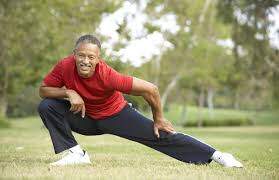 Movement is like WD-40 for your joints. Regular movement is critical for joint health. Our hip, shoulder, knee and elbow joints are called synovial joints; they contain fluid that helps nourish the cartilage by preventing wear while the joint is in motion.
In addition to regular stretching, Dr. Okubadejo recommends 150 minutes a week of moderate to vigorous exercise. That could be gentler, joint-friendly activities such as yoga, Pilates and Tai Chi, or something more intense, like swimming laps. And with the exception of swimming, “exercises where your feet are planted are better for your joints,” said Anna Noel Miller, chair of orthopedics at Dartmouth Hitchcock Medical Center. She suggests bicycling or an elliptical machine, rather than exercises like running.
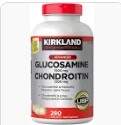 Approach supplements with caution. Numerous companies sell supplements like glucosamine and chondroitin that they claim can improve joint health, and people are snapping them up.
The research, however, is mixed on whether supplements actually help with stiffness and pain. And the products aren’t tightly regulated by the federal government. So, before taking one, run it by your primary care physician to discuss side effects and potential drug interactions.
 Lifestyle changes are most helpful for joints. Try not to sit for longer than an hour at a time. When you sit in the same position for too long, circulation slows and your spine can stiffen, so even a few minutes of light movement can help.
Following an anti-inflammatory diet may help control inflammation, and inflammation can lead to joint pain, according to the Arthritis Foundation. And some studies suggest that diets high in ultraprocessed foods are linked to a greater risk of the development of arthritis.
Excess weight puts additional stress on weight-bearing joints, which can result in pain. In fact, research suggests that every pound of weight lost removes four pounds of pressure on lower-body joints. “If you lose five pounds, that’s almost 20 pounds of force off your knees,” said Dr. Dean Padavan, a sports medicine expert.
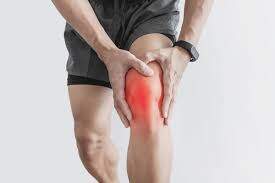 Don’t normalize joint pain. It’s tempting to think that joint pain is a natural part of getting older, but all the experts said not to ignore it. If your pain rates 4/10, check it out.
Jason Zaremski, chief of sports medicine at the University of Florida department of physical medicine and rehabilitation, asks patients to rate their pain on a scale from zero to 10. And if something’s hot, red, swollen, that’s bad.
A few minutes of creakiness in the morning, like mine, is “probably fine,” said Dr. Chen, an orthopedic surgeon. But if your stiffness lasts longer than an hour, or you’re avoiding normal activities because of joint pain, see a doctor.
Leave a Reply