

La Catrina, Mexico’s iconic skeletal lady in elegant attire, began as a sharp critique of social inequality. Created in 1910 by Mexican printmaker José Guadalupe Posada, the original figure—known as La Calavera Garbancera—mocked upper-class Mexicans who rejected their indigenous roots in favor of European customs. Posada’s skeletal caricature wore a fancy French-style hat, symbolizing that death spares no one, regardless of wealth or status.
The image gained prominence when Diego Rivera included La Catrina in his mural “Dream of a Sunday Afternoon in the Alameda Central”, giving her a full body and placing her among Mexico’s historical figures. This transformed her from a satirical print into a cultural emblem.
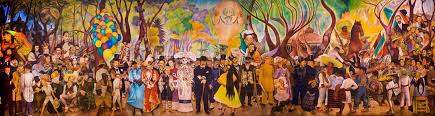
Over time, La Catrina evolved into a central figure of Día de los Muertos (Day of the Dead) celebrations. Her elegant skeleton now represents a joyful acceptance of death, blending indigenous traditions with modern Mexican identity. 
Today, she appears in parades, altars, and costumes across the country, embodying both remembrance and resilience.
From biting social commentary to beloved national symbol, La Catrina’s journey reflects Mexico’s complex relationship with heritage, class, and mortality
Leave a Reply