
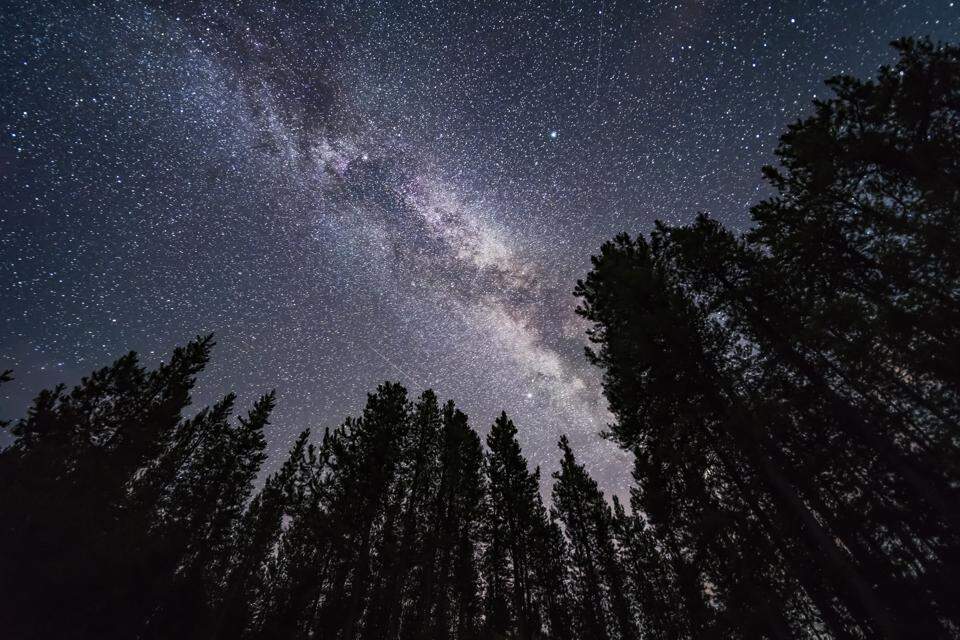
From the Northern Hemisphere, September is a prime month to see the Milky Way and its bright galactic core.
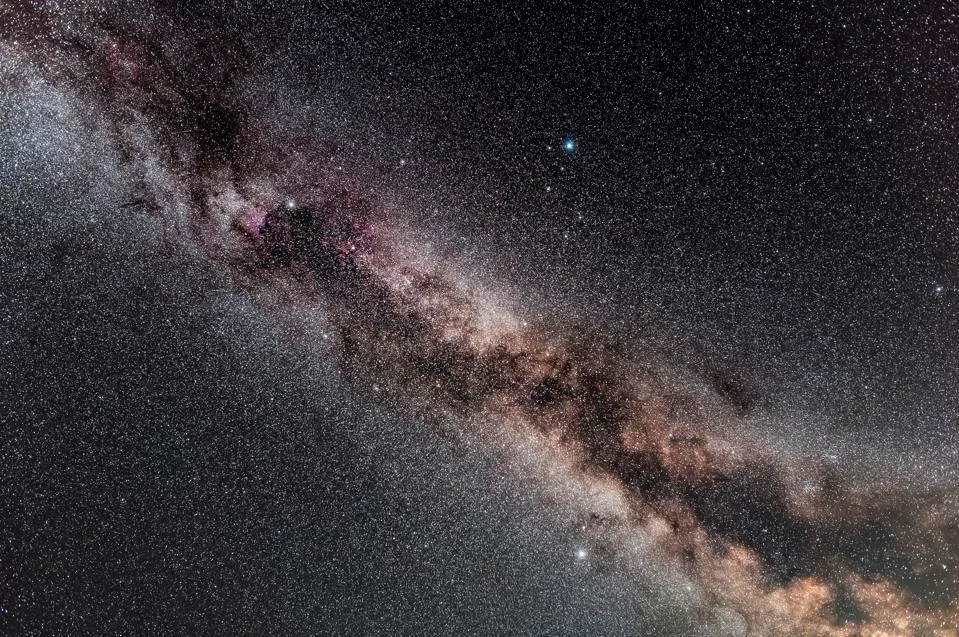
The “Summer Triangle” — an asterism, not an official constellation — comprises Vega in the constellation Lyra, Deneb in Cygnus and Altair in Aquila.

Total lunar eclipse and “corn moon”—September 7
On the night of September 7, a total lunar eclipse will turn the moon blood red. The spectacle will last 82 minutes—from 17:30 to 18:52 UTC—and will be visible in its entirety from much of Asia, the east coast of Africa, and western Australia. Skywatchers in Europe, Africa, and Oceania will glimpse at least part of the eclipse, while those in the Americas will miss the show entirely, as the moon rises too late.
https://www.nationalgeographic.com/science/article/night-sky-events-september
NASA’s Curiosity rover captured images of ‘coral’ rock on Mars that signify water existed on the planet

NASA’s Curiosity has been busy this summer. Back in June, it captured images of a geological structure — which have been nicknamed “spiderwebs” due to their insect-like pattern of ridges. Similarly to the coral rock, these “spiderwebs” also indicate that Mars once had water on it that hardened.
“The Red Planet once had rivers, lakes, and possibly an ocean. Although scientists aren’t sure why, its water eventually dried up and the planet transformed into the chilly desert it is today. Remarkably, the boxwork patterns show that even in the midst of this drying, water was still present underground, creating changes seen today,” NASA said.
Leave a Reply