The CURP ID will include fingerprint and facial data, enabling authorities to conduct real-time searches for missing persons. The system will be linked to a unified identity platform and connected to forensic and administrative databases.
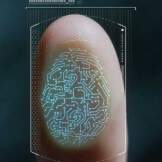 The biometric CURP will be accepted across nearly all public and private sector transactions, extending its use far beyond the realm of missing persons investigations to include identity verification for services ranging from banking and healthcare to education.
The reform mandates swift implementation. Once published in the Diario Oficial de la Federación, federal and state institutions will have just 90 days to begin issuing the biometric CURP, with an additional 180-day window for integrating cemetery and forensic records into a centralized identity platform
Privacy Concerns and Regulatory Safeguards
Civil rights groups have voiced strong concerns. Organizations such as R3D argue that consolidating sensitive biometric data into a single platform could enable widespread state surveillance and pose significant risks if misused.
To address potential misuse, the legislation establishes penalties for unauthorized access or improper handling of biometric data, with fines reaching up to 20,000 times Mexico’s Unidad de Medida y Actualización (UMA), the country’s official unit of account for fines and legal thresholds. (In 2025 the annual UMA is $41,273.52.)
The implementation of the biometric CURP (Unique Population Registry Code) will not be mandatory for Mexican citizens, confirmed the Secretariat of the Interior. The new document will be available starting October 16 and will be processed voluntarily and free of charge.
President Claudia Sheinbaum reiterated that there will be no obligation to provide biometric data: “We certainly believe it is important, especially to support victims of violence and missing persons, but it will be each individual’s decision.”

 Mexico’s Chamber of Deputies passed a new reform this month following its earlier approval by the Senate. The legislation, proposed by President Claudia Sheinbaum’s administration, establishes a biometric identification system known as CURP, which will serve as both a physical and digital national ID. The new ID system combines both physical cards and digital formats.
Leave a Reply